
Lemosho Route
- Home
- Lemosho Route
Lemosho Route: Detailed Guide to Climbing Kilimanjaro
The Lemosho Route is one of the most beautiful, popular, and highly recommended routes to climb Mount Kilimanjaro. It is loved because of its stunning scenery, quiet trails at the beginning, and high success rate of reaching the summit.
Unlike some shorter routes, the Lemosho Route gives climbers more days to adapt to the altitude. This makes it safer and increases the chance of success. If you want the perfect mix of nature, adventure, and a higher chance to stand on Uhuru Peak (5,895m), the Lemosho Route is an excellent choice.
Why Choose the Lemosho Route?
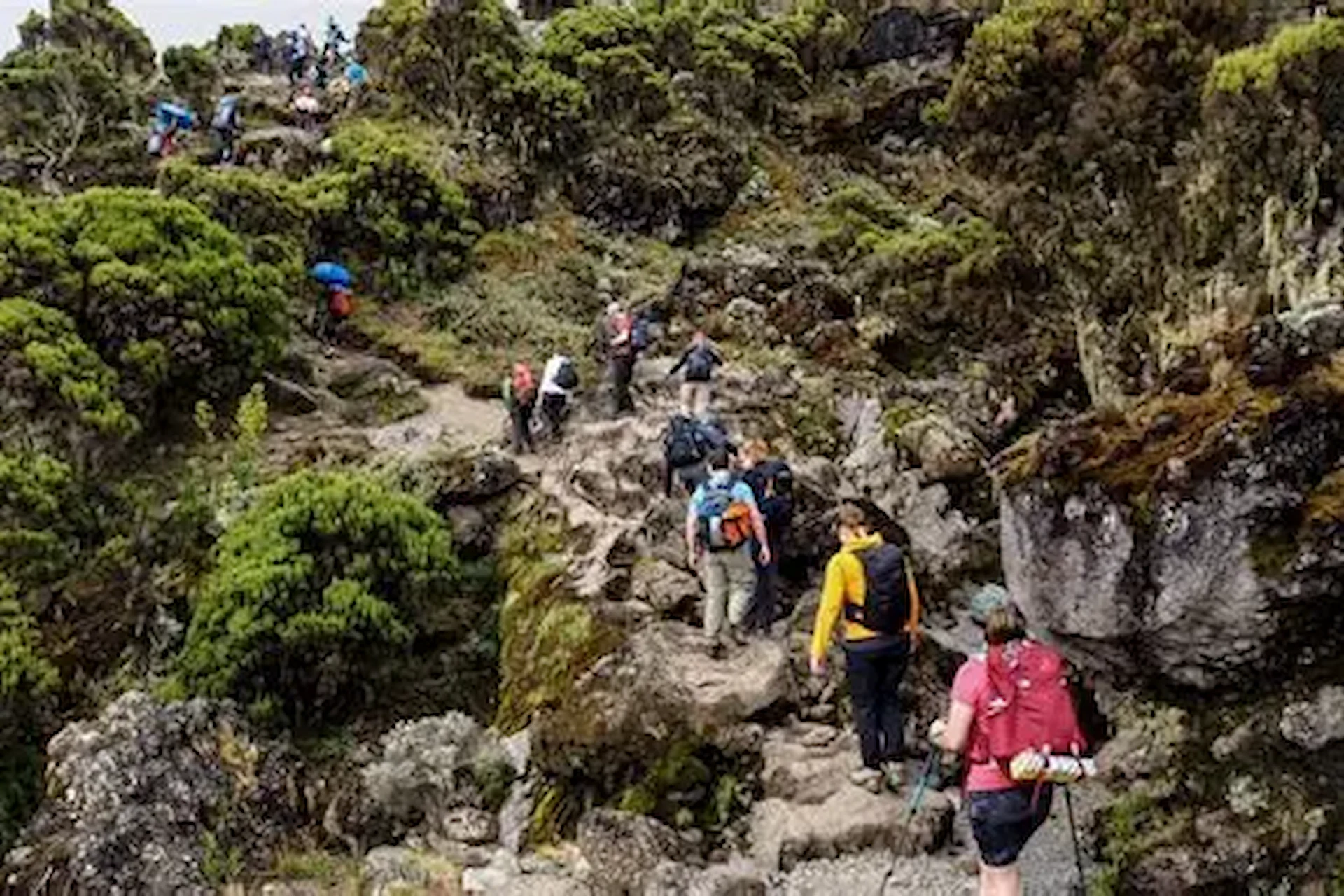
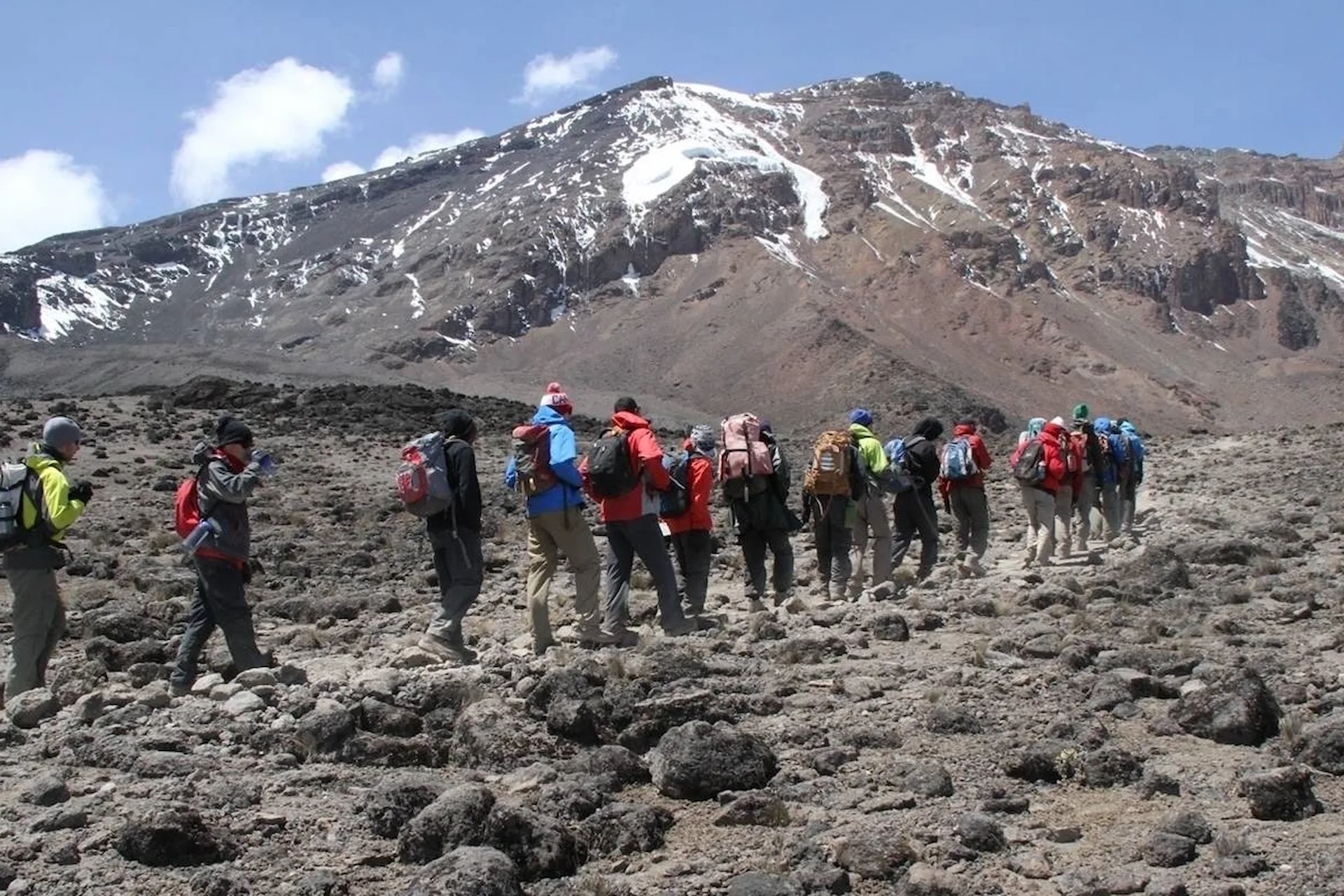
The Lemosho Route is often considered one of the best options for climbing Mount Kilimanjaro because it combines beauty, comfort, and a high chance of success. The route takes trekkers through diverse landscapes, beginning in the lush rainforest, continuing into the heather and moorland, across the vast alpine desert, and finally into the icy arctic zone near the summit. Its longer itinerary allows climbers to adjust gradually to the altitude, which greatly improves safety and increases the summit success rate.
Compared to more popular trails such as the Machame Route, Lemosho is quieter at the beginning, offering a more peaceful and less crowded experience. It also provides opportunities to encounter wildlife in the lower forest zone, including monkeys, exotic birds, and other species. With a balance of adventure and manageable difficulty, the Lemosho Route is suitable for both first-time climbers and those with previous trekking experience.
Quick Facts About the Lemosho Route
Lemosho Route Itinerary
Best Time to Climb the Lemosho Route
Mount Kilimanjaro can be climbed at any time of year, but the Lemosho Route is best experienced during the dry seasons when the weather is most favorable. From January to March, climbers enjoy warm temperatures, clear skies, and fewer crowds, making it an excellent choice for those seeking a quieter trek. The period from June to October is considered the peak climbing season. Conditions are cool, dry, and stable, which makes it the busiest time on the mountain, but also the most reliable for summit success.
On the other hand, it is generally recommended to avoid April to May and November, which are the rainy seasons. During these months, the trails can become muddy and slippery, and cloud cover often obscures summit views, making the climb more difficult and less enjoyable.