Ngorongoro Conservation Area
- Home
- Ngorongoro Conservation Area
Welcome to Ngorongoro Conservation Area
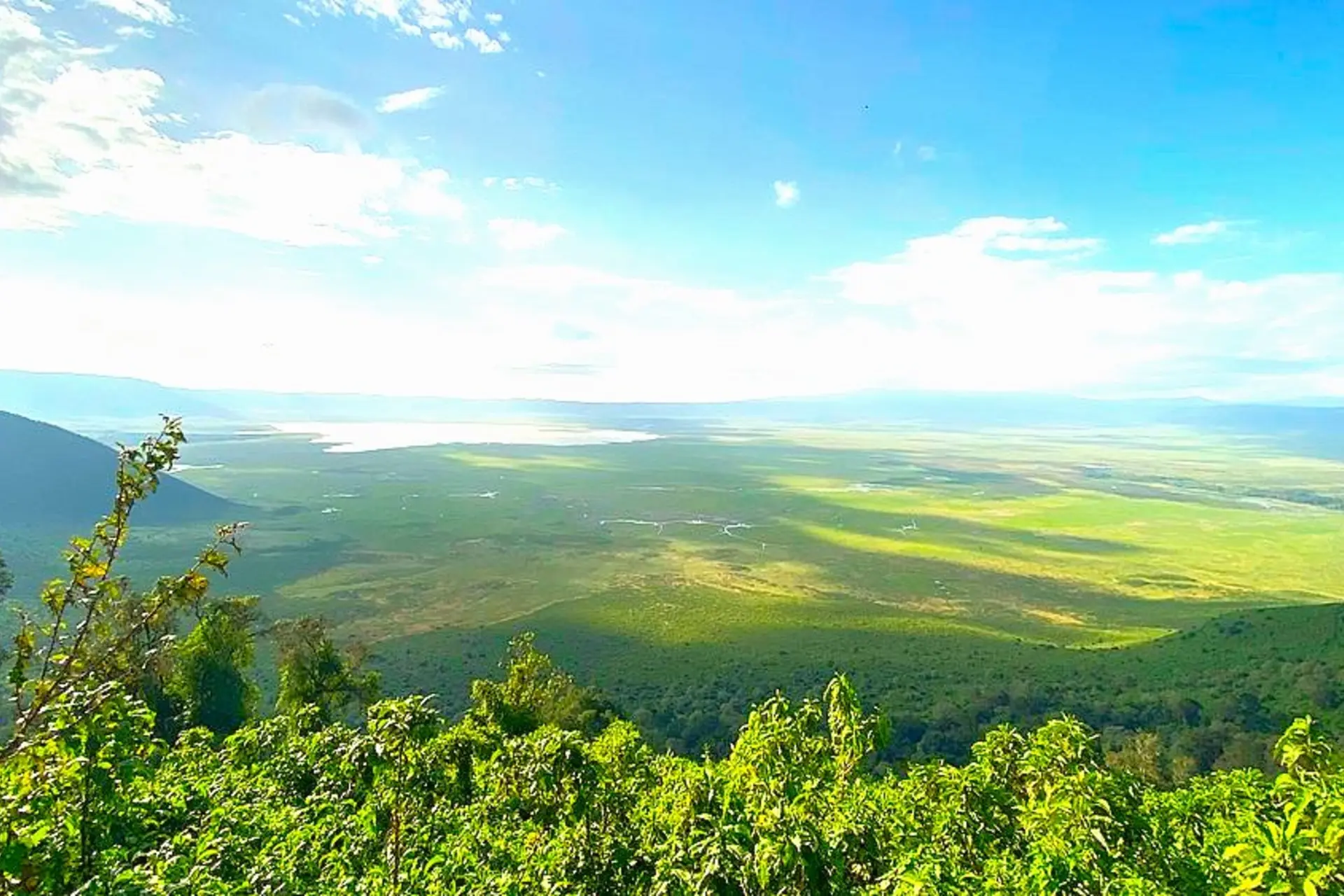
The Ngorongoro Crater is the world’s largest inactive, intact, and unfilled volcanic caldera. Often called the “Garden of Eden,” it’s a natural amphitheater teeming with wildlife and dramatic landscapes. The name “Ngorongoro” comes from the Maasai word imitating the sound of cowbells.
This conservation area is unique; it protects both wildlife and the semi-nomadic Maasai people who live within its boundaries. It’s one of the few places where humans and nature coexist in harmony.
Ngorongoro was designated as a conservation area in 1959, separating it from Serengeti National Park to allow human habitation. It spans over 8,000 square kilometers and includes the crater itself, highland forests, grasslands, and archaeological sites like Olduvai Gorge.
The crater floor is about 260 square kilometers and hosts over 25,000 large animals. Its enclosed geography creates a self-contained ecosystem, making it one of the most reliable places to see the Big Five.
Getting there
The Park can be accessed by road or air.
- Nearest Airport: (Kilimanjaro Airport)
- By Road: 3–4 hours from Arusha
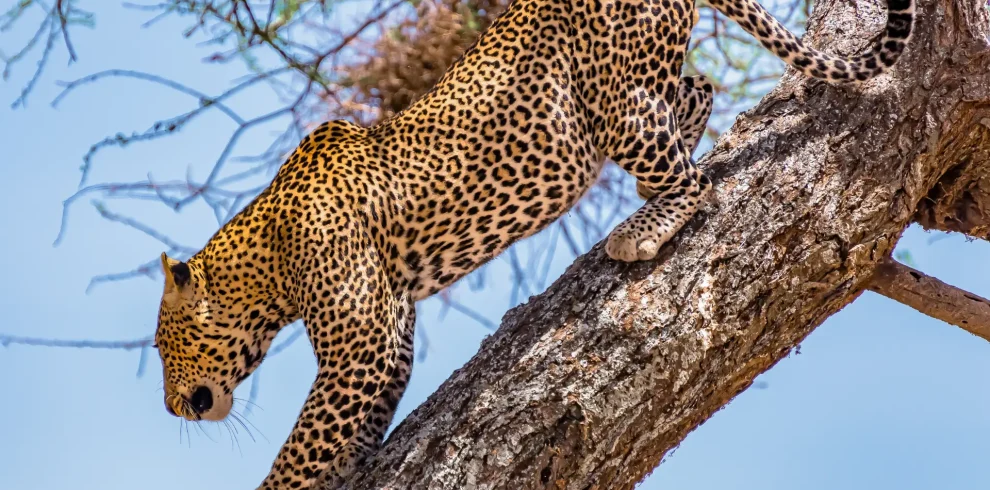
The Park has remarkable attractions most notably the tree climbing lions, Marang’ forest, hot spring, ground water forest, diversity of bird species and the rift valley. Plan your trip by visiting Lake Manyara National Park were you will get exceptional experience that quenches your travel thirst.
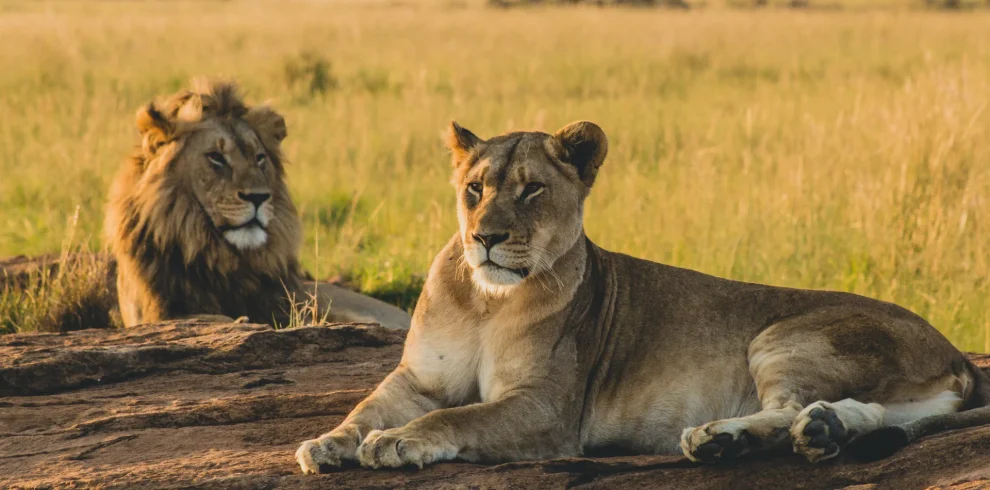
African Lions
Ngorongoro has a dense lion population, often seen lounging on the crater floor.
African Elephants
Mostly solitary bulls roam the forested crater rim, some with impressively large tusks.
Black Rhinoceros
One of the best places in East Africa to spot endangered black rhinos in the wild.
Birdlife
Lake Magadi attracts flamingos, while the crater’s varied habitats host over 500 bird species.
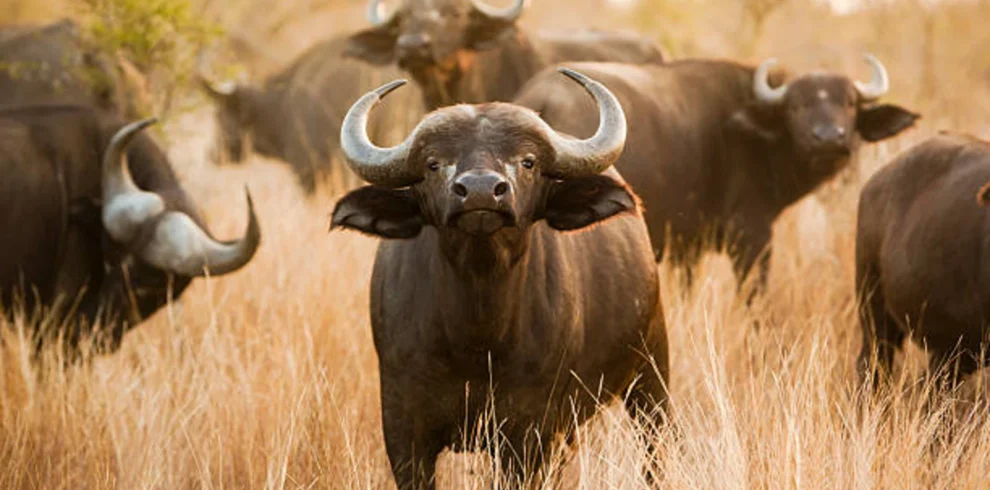
African Buffalo
Large herds graze the grasslands, often seen near water sources.
Plains Zebras & Wildebeest
Thousands of grazers roam year-round, forming a constant wildlife spectacle.
Lake Manyara National Park offers a range of exciting activities including day game drives, walking safaris, night game drive, canoeing, canopy tour, bird watching and hot bush meals that gives someone a reason to smile!
Game Drives
Descend into the crater for a full-day safari. Wildlife viewing is exceptional year-round.
Cultural Visits
Visit Maasai bomas to learn about traditional lifestyles and customs.
Walking Safaris
Explore the Empakaai and Olmoti craters with a ranger for a more intimate nature experience.
Archaeological Tours
Explore Olduvai Gorge, where some of the earliest human fossils were discovered.
There is a range of accommodation options in and around the Ngorongoro Conservation Area, which include luxury lodges on the crater rim.
Most mid-range and budget overnight options are located outside the conservation area, particularly around Karatu and the Ngorongoro highlands, offering comfortable stays with scenic views of forests, farmland, and the Rift Valley escarpment, while still providing easy access to the crater.